Table Of Content
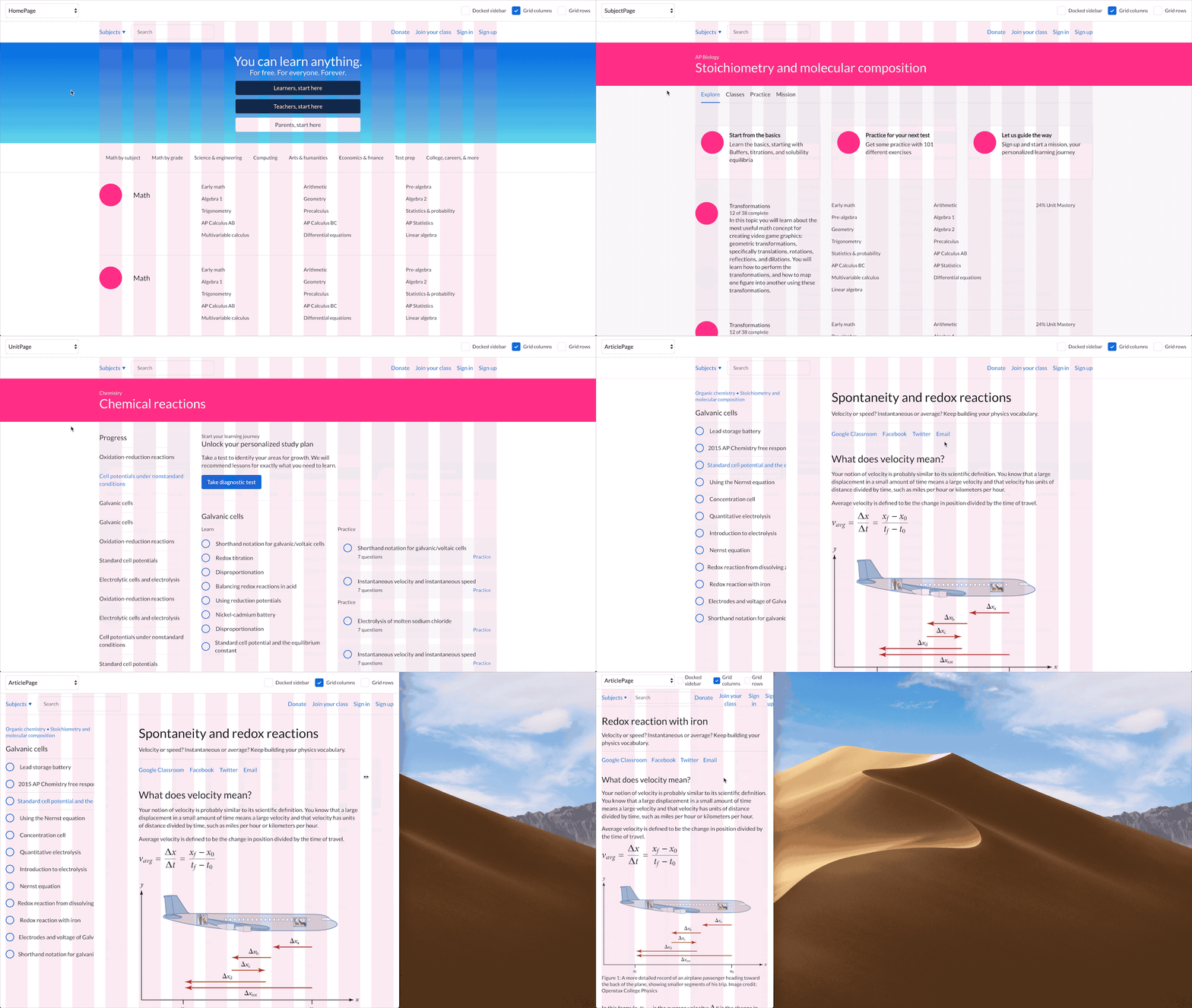
On the design side, it’s utilized by product designers, UX/UI designers, visual designers, and sometimes illustrators, as well. A design system is a collection of principles that govern the design of a brand's digital experience. It provides a set of guidelines for how your brand should look and feel across all channels and devices.
Agile Methods for UX Design
The Audi design system highlights its focus on speed, consistency, and quality for development across all Audi products. The design system was created to support designers and developers to build products efficiently that meet the evolving needs of their customers. A major component of brand and style guidelines, typography consists of selecting fonts that can be used for specific scenarios. Some key aspects of typography include choosing the brand’s typefaces, as well as defining font sizes, weights, and styles for various use cases, such as headings, subheadings, body text, or labels. Typography guidelines keep content visually organized by establishing a hierarchy and ensuring legibility across various platforms.
Managing documentation

Advocate for its adoption, but implement it gradually to avoid disrupting existing workflows and committing drastic product changes that might overwhelm users. Instead of providing fixed values to hard-code into a product, which can be hard to change, design tokens ensure that everything stays consistent and works well together, even if the values themselves change. Take stock of any repetitive design tasks or recurring issues that eat up your team’s time. Standardized components from a design system can streamline your process.
Design systems
Material design offers the user physical edges and surfaces to work with – with seams and shadows giving context to what parts of a digital design can be touched. Brand values include the core principles that dictate a brand's identity and culture. Brand values create a coherent user experience and maintain brand integrity. Merge tech focuses on design with code components, that is converting a code component into the design. It has a lot of design guidelines, but it also contains documentation about UI components that are used in development.
Unlock the Secret Power of React Hook Form and Avoid Unnecessary Component…
The scope of a design system initiative can be overwhelming, and it’s tough to know where to start. If you don’t have a clear plan of attack, leaders may not buy into the process. That’s why it helps to outline your approach and know where you plan to begin well before you get started. Opendoor is a company on a mission to reinvent the home buying and selling experience to put a focus on the customer.
This includes identifying any business goals and user needs that the design system would align with, such as improved designer efficiency and consistent user experiences across products. Communicating these benefits to stakeholders, such as product and development teams, can help with team adoption so that stakeholders are on board and aware of the design system’s existence. All three design systems prioritize accessibility by providing guidelines for designers and developers to build accessibility into their solutions. This ensures that product teams are considering users with disabilities creating products that are usable by all individuals. With the digital revolution, the principles of these systems were translated from paper to pixels, growing in complexity to match the sprawling web and burgeoning app market. Giants like Apple in 1987, followed by Google, IBM, and Microsoft, pioneered comprehensive design languages that would dictate the look and feel of countless user interfaces.
Material Design is a key approach to the Android Platform for both UI and UX. Designed and developed by Google it is intended to facilitate a consistent user experience on the platform so that apps do not promote user confusion. The design principles involved are intended to reflect the need for a high quality touch experience and offer a “pen and paper” style feel to the UI. Google’s own offerings will reflect Material Design throughout their range and the majority of their products (such as Gmail, YouTube, etc.) already do so. While design systems provide structure and consistency, they also require maintenance.
Shopify Polaris offers practical guides that help designers get started on the range of tasks needed to design for Shopify. The system also includes content and design guidelines, as well as a component library and guidance for creating Shopify-specific experiences. The visual design language you choose for your overall design system includes guidelines for color palettes, typography, iconography, and imagery. These elements work together to create the feel of your brand — and instill the desired emotion in your customers.
Color
Design systems are how teams create products and digital experiences that feel consistently on-brand. Accessibility is an important component in Base Web, allowing designers and developers the ability to rapidly create digital experiences that adhere to accessibility standards. Foundations are the visual elements needed to create engaging layouts and end-to-end user experiences. In sum, Brandland is a potent tool that aids Zendesk's design team in making user experiences that are consistent, user-friendly, and welcoming. Check out Zendesk's Brandland if you're looking for some pointers and ideas on how to implement a design system within your own company. Overall, Material Design is an all-encompassing design approach that facilitates the creation of functional, aesthetically beautiful products with a focus on the user experience across several platforms.
34 AI content generators to explore in 2024 - TechTarget
34 AI content generators to explore in 2024.
Posted: Mon, 12 Feb 2024 08:00:00 GMT [source]
Get the best, coolest, and latest in design and no-code delivered to your inbox each week. When everyone has a stake in the game, the commitment to maintaining and evolving the system is stronger, making it more likely to succeed and deliver value over time. Plus, this collective engagement can help you uncover unique insights and perspectives that help shape your design system.
The documentation includes available properties for developers to understand how to customize each component. Grid systems help organize and align design elements to create cohesive layouts. A grid is a series of evenly spaced columns and rows that provide structure to designs. They can help position individual components in a way that makes information and content flow smoothly throughout a page. Design principles create the foundation of a successful design system.
Get inspired by the best design systems examples of 2022 and why they work. Distributed systems are the key technological component of modern information and communications technology. These are such that different computers work on specific tasks simultaneously but as if they functioned as a single entity.

To understand what design systems look like, let’s take a look at some real-life examples of design systems in action. Spotify’s recent shift of highlighting podcasts in the app is a good example of this. The app used a redesign to highlight the podcasts without interfering with the user experience.
But let's be real, the best part about Carbon isn't just its impressive collection of design goodies. It's the fact that it has a super sleek and modern design that's guaranteed to make your product stand out. Plus, it's built with accessibility in mind, so you can create designs that are inclusive and user-friendly for everyone.
A design system can assist in reducing the amount of time spent recreating elements and patterns while designing and building products and interfaces at scale. The design system acts as a single source of truth for Audi’s global product teams. Its products range from websites to in-vehicle applications, each with unique user interface requirements. Their design system offers a library of brand identity guidelines and components to ensure consistent branding and user experience regardless of the platform. IBM’s Carbon is an open-source design system that provides a collection of reusable assets such as components, patterns, guidance, and code.




No comments:
Post a Comment